
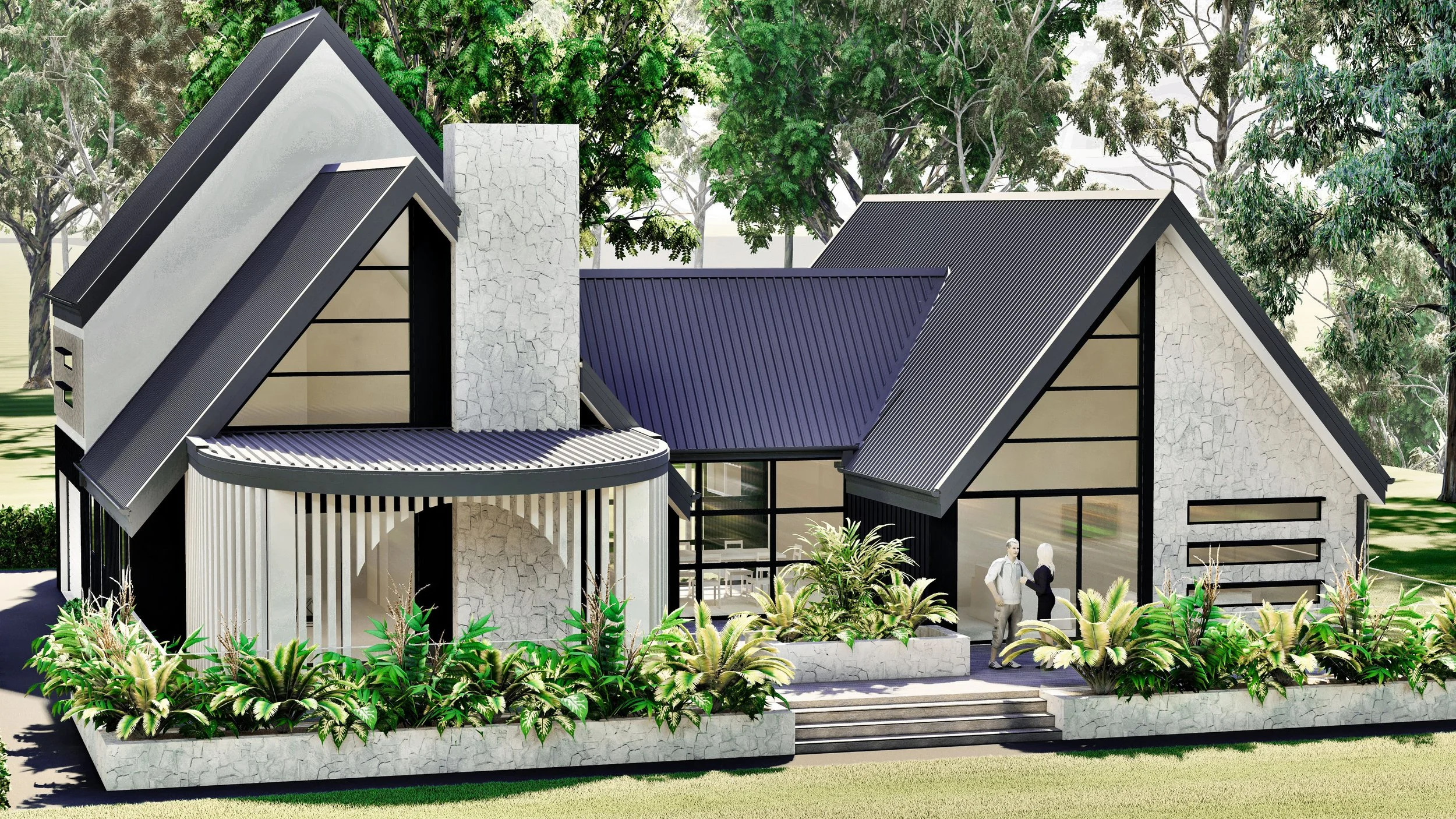
NEW DWELLING
Our new home designs are tailored to the unique needs of each occupant and the distinct characteristics of every site. We prioritise timeless yet contemporary design, with functional layouts that truly support the lifestyle of each individual or family.
We take the time to deeply understand how each space will be used, ensuring every part of the home is both practical and visually beautiful—an authentic realisation of the client’s vision.
We believe that the care and attention we invest in every design directly enhances the value of the property, while also enriching the everyday experience of living in a well-designed, functional home.
Amy’s strong technical knowledge and deep understanding of the approval process ensure each proposal is thoughtfully prepared and positioned for a smooth path through planning and approvals.
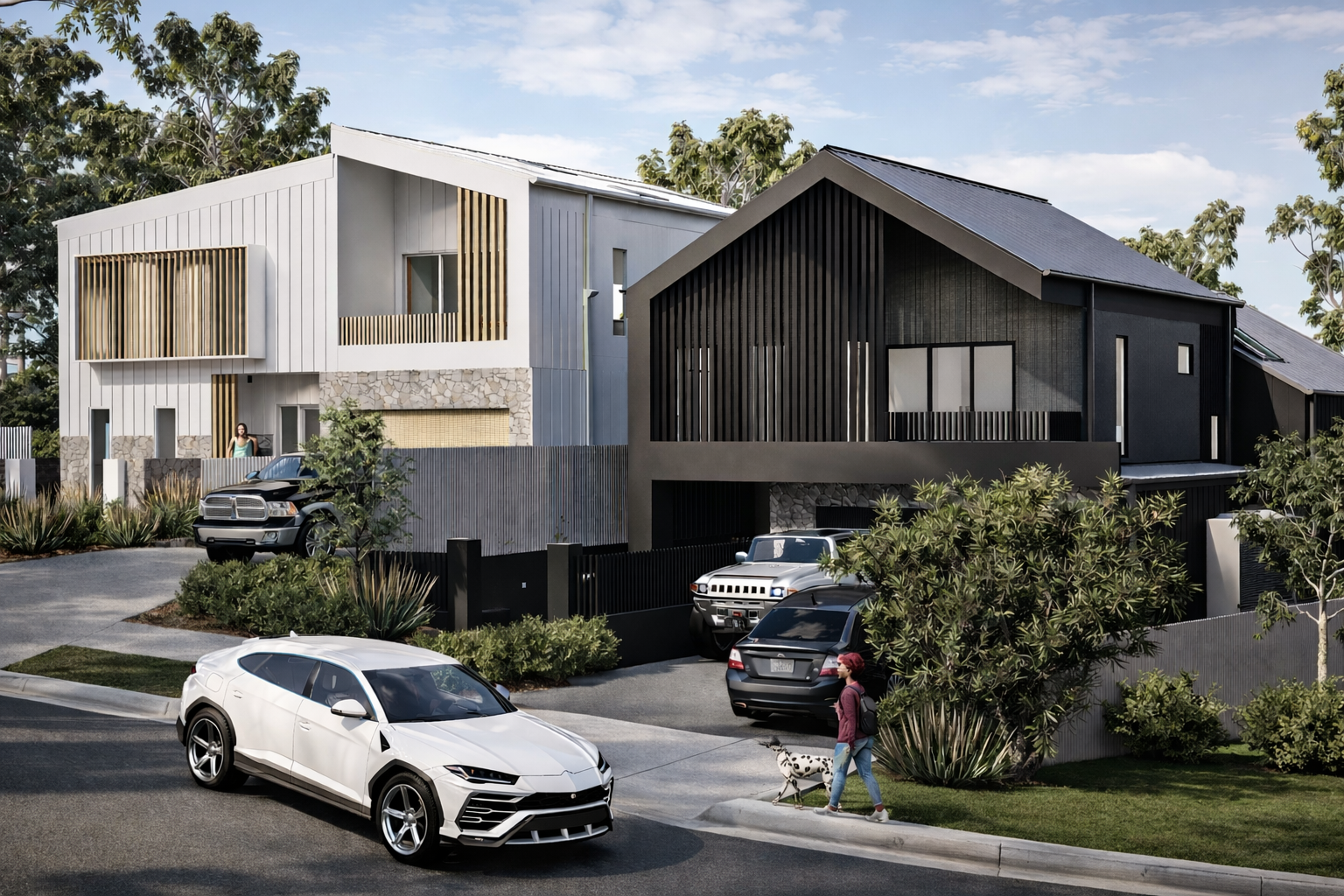
DUAL OCCUPANCY & MULTI DWELLINGS
Our dual occupancy and multi-dwelling (townhouse) designs are crafted to offer a truly enjoyable experience for both residents and potential buyers. We dedicate time during the design phase to create thoughtful yet simple moments within the floor plans and facades, ensuring that each property stands out and adds exceptional value.
Amy’s passion for maximising development sites, combined with her extensive technical and legislative expertise, has made Ellis Studio a go-to choice for tackling complex sites or optimising standard ones. Our carefully chosen team of trusted consultants works closely with us to ensure a seamless approval process, whether through CDC or DA pathways.
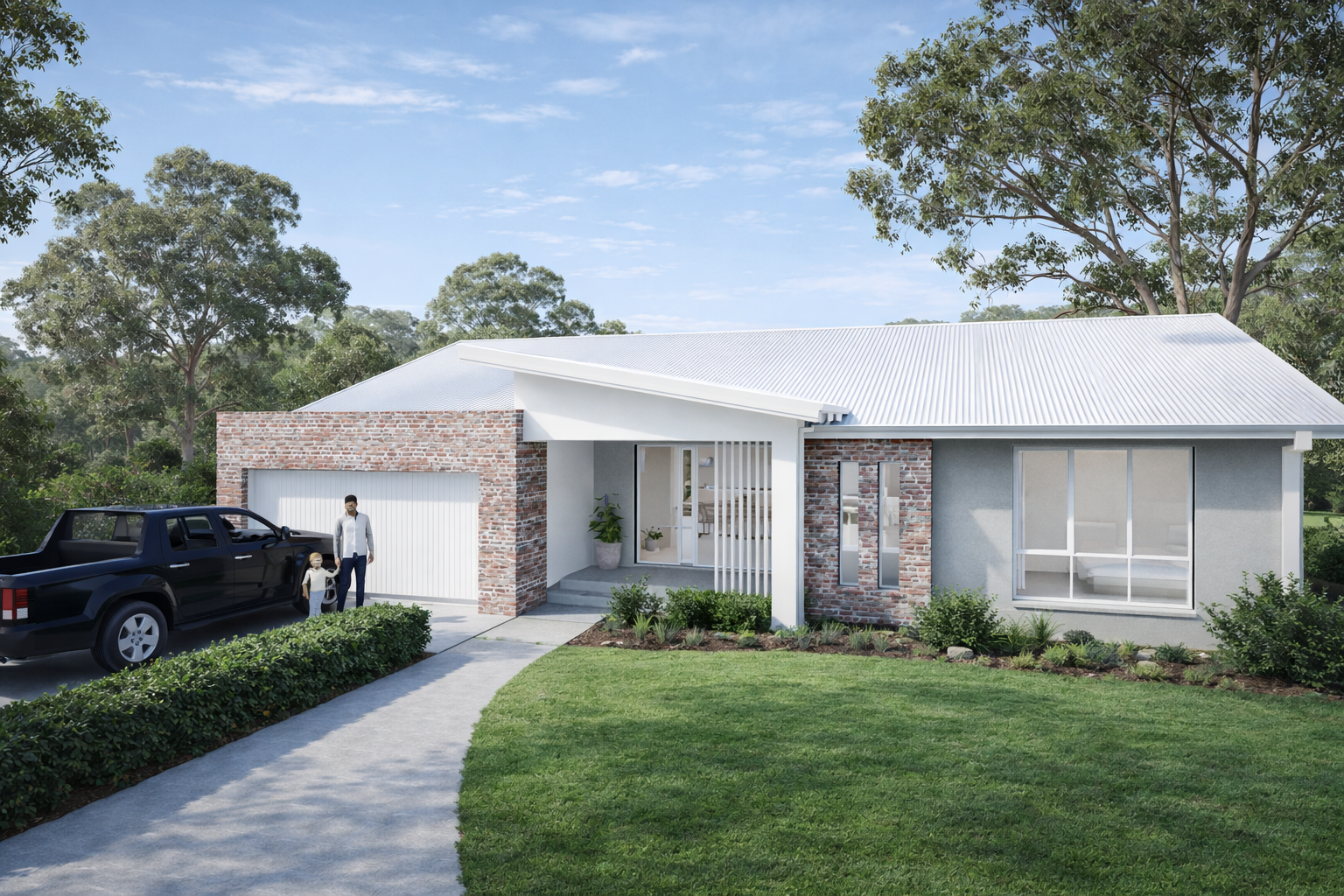
ALTERATIONS & ADDITIONS
Specialising in major alterations and additions, we create thoughtfully designed extension solutions that not only transform but also add significant value to our clients’ homes by maximising the potential of the existing structure. Our extensions are light-filled and designed to optimise natural light and ventilation, creating functional, beautiful spaces that enhance everyday living. We take the time to understand how each family uses their home, carefully considering both the opportunities and limitations of the existing layout before crafting a tailored design solution.
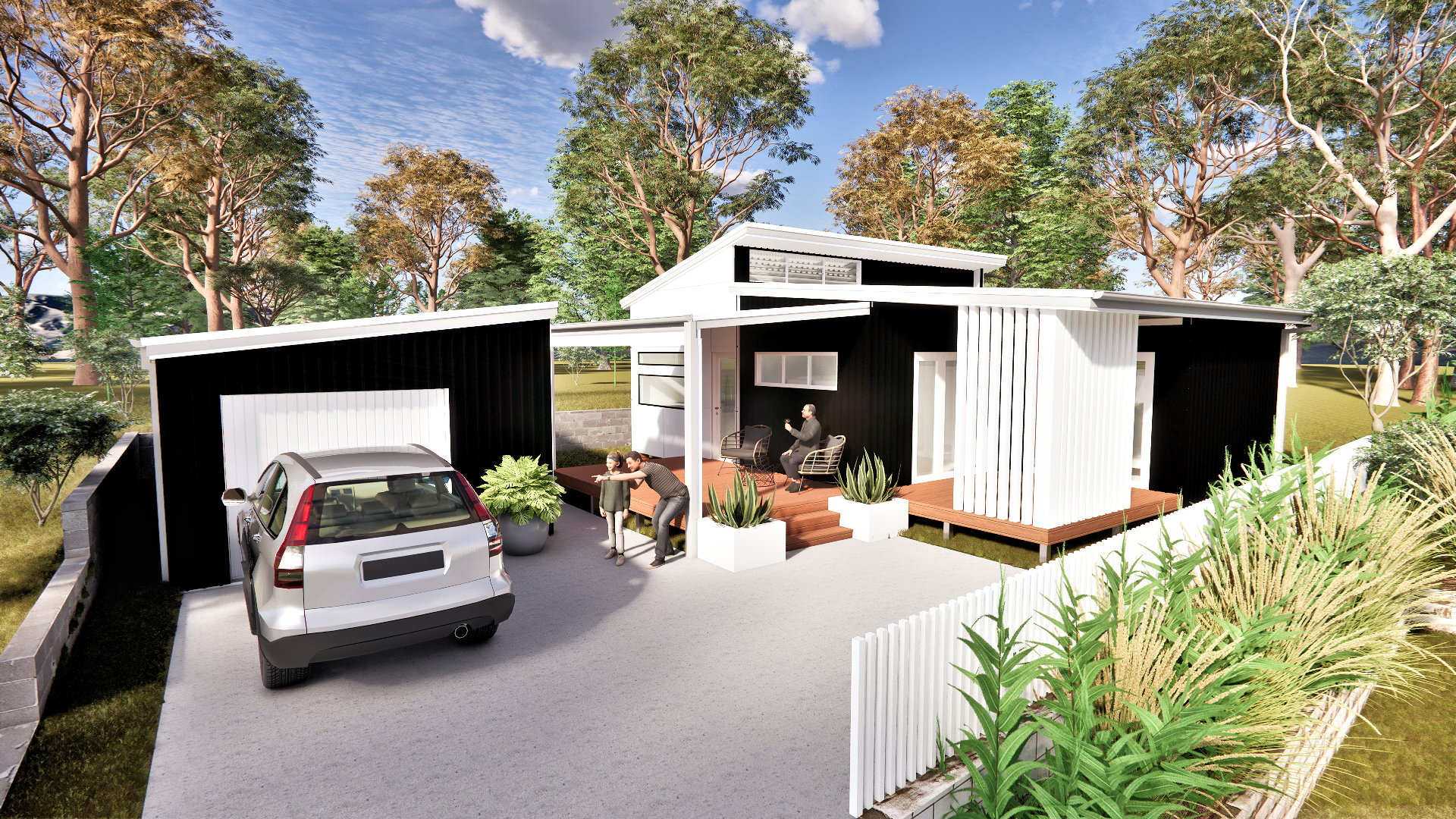
OTHER SERVICES
We offer a range of services on various types and stages of projects, including:
• Secondary Dwelling Designs
• 3D Realistic Renders
• Project management during construction phase
Please get in touch with us if you’d like to discuss any other services
WHAT IS THE PROCESS
PRE DESIGN
1-2 WEEKS
The pre-design phase (also sometimes called pre-construction or feasibility stage) is all about gathering the essential groundwork before any design is produced, it usually includes:
Understanding your brief, project goals, lifestyle needs, and budget.
Assessing the site through activities like topographic surveys, soil testing, and obtaining a Section 149 certificate.
Researching Council controls—Local Environment Plan (LEP), Development Control Plans (DCP), zoning, flood levels, bushfire requirements, and other regulatory constraints.
Engaging specialist consultants as needed, such as arborists, geotechnical engineers, planners, and certifiers.
Conducting feasibility studies, including early budget estimates, timelines, and regulatory or planning feasibility.
This stage may result in no actual drawings—it’s about defining the project's parameters, uncovering potential constraints, and setting a clear foundation for design to follow.
2. CONCEPT DESIGN
2-6 WEEKSThe schematic concept design phase is a crucial step in turning your vision and brief into early architectural solutions. It blends conceptual thinking with initial schematic layouts, providing a foundation for more detailed design and development.
This phase focuses on:
Translating client needs and site constraints into spatial arrangements (floor plans).
Exploring building massing, orientation, and relationship to site context.
Providing early visuals (sketches, 2D plans, basic 3D models).
Consulting with planners (if needed) to check compliance with Council regulations (LEP, DCP, etc.).
Starting to identify potential structural, environmental, or services considerations.
Deliverables Often Include:
Site analysis overlays
Bubble diagrams or zoning diagrams
Preliminary floor plans and elevations
Rough massing models (3D or physical)
Mood boards or precedent imagery
Outline cost estimation (optional)
Basic review of planning requirements
Project TypeEstimated Duration
Small/simple residential project (e.g., renovation, single-storey home)2–4 weeks
Moderate complexity (e.g., two-storey custom home, sloped site)4–8 weeks
High complexity (e.g., duplex, heritage, bushfire-prone, flood risk)8–12+ weeks
3. DESIGN DEVELOPMENT (DETAILED DESIGN)
4-6 WEEKS
The schematic concept design phase is a crucial step in turning your vision and brief into early architectural solutions. It blends conceptual thinking with initial schematic layouts, providing a foundation for more detailed design and development.
This phase focuses on:
Translating client needs and site constraints into spatial arrangements (floor plans).
Exploring building massing, orientation, and relationship to site context.
Providing early visuals (sketches, 2D plans, basic 3D models).
Consulting with planners (if needed) to check compliance with Council regulations (LEP, DCP, etc.).
Starting to identify potential structural, environmental, or services considerations.
Deliverables Often Include:
Site analysis overlays
Bubble diagrams or zoning diagrams
Preliminary floor plans and elevations
Rough massing models (3D or physical)
Mood boards or precedent imagery
Outline cost estimation (optional)
Basic review of planning requirements
Project TypeEstimated Duration
Small/simple residential project (e.g., renovation, single-storey home)2–4 weeks
Moderate complexity (e.g., two-storey custom home, sloped site)4–8 weeks
High complexity (e.g., duplex, heritage, bushfire-prone, flood risk)8–12+ weeks
4. CONSTRUCTION CERTIFICATE & SITE SERVICES
3-6 WEEKS for straightforward residential projects
4–8+ WEEKS for larger or more complex homes, duplexes, or multi-residential projects
Once development approval has been obtained, the next stage is preparing documentation for the Construction Certificate (CC) or Building Approval.
At Powerhaus Designs, we provide comprehensive construction documentation to ensure your project is ready for certification and construction. This includes detailed drawings, specifications, and coordination with consultants to meet regulatory and building code requirements.
Our services during this stage typically involve:
Preparation of detailed construction drawings
Coordination with structural engineers and other consultants
Addressing Building Code and compliance requirements
Responding to certifier or council queries
Assisting with any required amendments prior to approval
We also provide site-related support throughout construction, including clarification of documentation, responding to builder queries, and ensuring the design intent is maintained during the build process.
Our goal is to provide clarity, accuracy, and confidence, ensuring a smooth transition from approved plans to construction on site.